There's nothing rather as miserable as getting up in a soggy resting bag at 2 a.m. due to the fact that your outdoor tents's joints have surrendered. Even the most costly water-proof camping tents can leak over time, and the culprit is generally the joints. Sewn seams are essentially rows of tiny openings jabbed through your tent fabric-- and water has no trouble locating them. That's where joint sealants come in. Applying a high quality joint sealant is one of the simplest, most affordable means to expand the life of your camping tent and stay completely dry regardless of what the weather throws at you.
Below's a break down of the best joint sealers readily available today, together with what to look for prior to you purchase.
What to Look for in an Outdoor Tents Seam Sealant
Prior to grabbing the very first item you see, it's worth recognizing a few vital factors. Not all joint sealants are compatible with all camping tent products. Silicone-treated fabrics (silnylon, silpoly) need a silicone-based sealant, while polyurethane-coated textiles need a urethane-based product. Utilizing the incorrect kind won't bond correctly and can really harm your tent.
You'll also wish to consider drying time, versatility as soon as cured, and whether the sealer is meant for indoor or exterior application. An excellent joint sealer ought to continue to be flexible after drying so it does not split when your camping tent relocates the wind.
Top Joint Sealers for Waterproof Tents
1. Equipment Help Seam Grip WP
Equipment Help's Seam Grasp WP (Water resistant) is probably the most relied on seam sealer on the market and the go-to option for a lot of campers and backpackers. It works with polyurethane-coated materials and bonds unbelievably well to nylon, canvas, and polyester. The formula dries out adaptable, is extremely long lasting, and can take care of sustained exposure to rainfall without peeling off or splitting.
The downside? It takes around 8 to 12 hours to fully cure, so you'll require to prepare ahead before your next trip. A small tube goes a long way, and it's terrific for covering existing failings along with preventative therapy on new outdoor tents joints.
2. Equipment Help Seam Hold SIL
For silicone-treated camping tents-- progressively preferred among ultralight backpackers-- the basic Seam Grip WP will not suffice. Equipment Help's Joint Grasp SIL is especially created for silnylon and silpoly textiles. It bonds straight to the silicone layer, developing a water resistant barrier that moves with the fabric rather than against it.
It dries out clear and continues to be flexible even in cold temperatures, which matters if you're camping in shoulder periods or towering problems. Mix it with odor-free mineral spirits to thin it out for simpler application across lengthy seam runs.
3. McNett Silnet Silicone Joint Sealant
An additional strong competitor for silicone textiles, Silnet has gained its online reputation among ultralight hiking neighborhoods. It uses smoothly, dries to a clear surface, and provides exceptional waterproofing for both cuben fiber and silnylon sanctuaries. It's a little thinner than Seam Grip SIL, that makes it much easier to infiltrate tight seam folds up.
One layer is usually sufficient for new tents, though older or heavily used equipment might gain from a second application after the first has completely dried out.
4. Atsko Sno-Seal Beeswax Waterproofing
If you favor a more all-natural choice, Atsko's beeswax-based formula is outstanding for canvas camping tents and cotton-blend fabrics. It's not optimal for contemporary artificial sanctuaries, but also for wall camping tents, canvas outfitter configurations, or standard canvas tarps, it provides trustworthy waterproofing while keeping the textile breathable.
How to Use Joint Sealer Appropriately
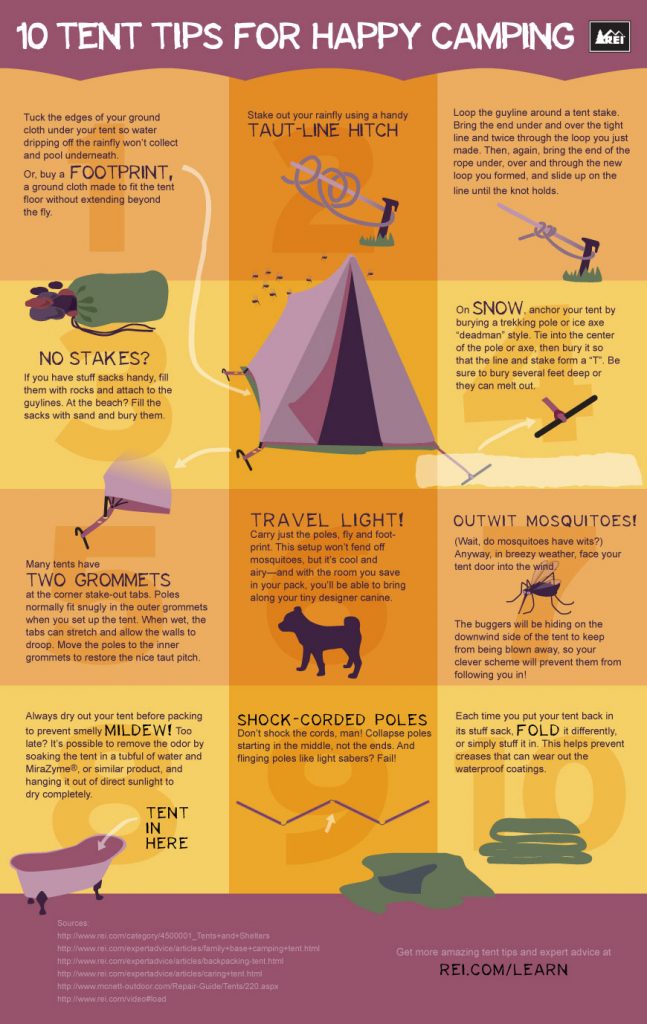
Application matters equally as much as the item itself. Begin by setting up your tent in a completely dry, well-ventilated area. Tidy the seams with rubbing alcohol and let them completely dry entirely. Apply the sealer with a little brush or the applicator idea, working it delicately into the stitch holes. Run a slim, even bead along the entire size of each seam as opposed to swabbing in spots.
Let it treat fully prior to packing the high camp flask camping tent away. Folding or compressing the tent before the sealer has actually set can trigger it to bond to itself or heal unevenly.
Last Thoughts
Joint securing is a little investment of time and cash that pays enormous rewards comfortably and gear longevity. Treat your outdoor tents before your very first major trip, reapply every period or after heavy usage, and store your camping tent completely dry. Match the sealant to your tent's finishing product, and you'll find that remaining completely dry in a downpour is much much less a matter of good luck-- and a lot more a matter of prep work.
Comments on “Camp Organization Essentials For Weekend Trips”